MAS Systems.
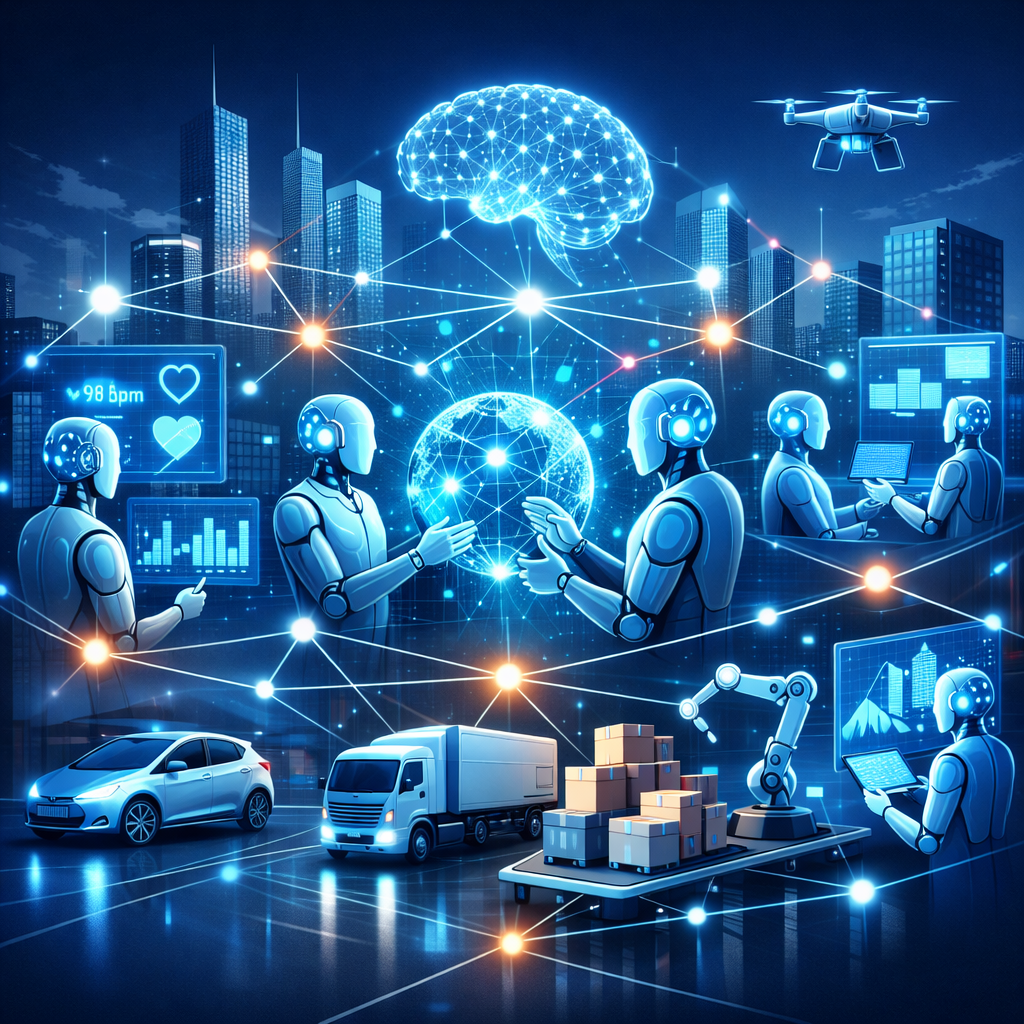
In today's world, AI has become an integral part of our lives, touching everything from our smartphones to self-driving cars. But what if we imagined that thousands of these artificial brains were working together, communicating and collaborating to solve complex problems beyond the capacity of any single mind?
This article aims to simplify the concept of multi-agent systems, explain how they work, and provide real-life examples of their applications that serve humanity in various fields, all in an easy and understandable style for non-specialists.
What are multi-agent systems?
Imagine a large team, each member of which has a specific mission and experience. This team does not work randomly, but rather its members communicate and coordinate their efforts to achieve a common goal. This is the closest analogy to multi-agent systems.
Simply put, a MAS system is a group of intelligent agents who interact and collaborate with each other in a shared environment to solve complex problems or achieve common goals.
Who are smart agents?
A smart agent is a computer program or an autonomous entity that is able to:
-
Perception: Understanding one's environment through the collection of data and information.
-
Thinking: Processing information and making decisions based on its goals and rules.
-
Action: Performing actions or tasks in its environment.
-
Communication: Interacting with other agents or with humans.
Each agent in a MAS system may be specialized in a specific task, such as analyzing a specific type of data, making a decision in a specific situation, or performing a specific action. But the real strength lies in their ability to work together as a team.
How do multi-agent systems work?
The operation of multi-agent systems is based on three basic principles:
-
Independence: Each agent works independently, making his own decisions based on the information available to him and his goals.
-
Interaction: Agents communicate with each other to exchange information, coordinate actions, and even negotiate tasks.
-
Collaboration: Agents work together to achieve a common goal, even if they have different sub-goals. They can break complex tasks down into smaller tasks and distribute them among themselves.
The architecture of a multi-agent system can be centralized or decentralized. In a central architecture, a single server may control communications and information. In a decentralized structure, agents interact directly with each other without the need for a central intermediary.
A simple example: the delivery team
Let's say we have a MAS system to manage the delivery service. This system can consist of several proxies:
-
Order Agent: Receives and prioritizes customer requests.
-
Driver Agent: Monitors the location and status of available drivers.
-
Roads Agent: Analyzes traffic data and suggests the best routes.
-
Customer Agent: Communicates with customers to update them on the status of their orders.
These agents do not work in isolation. The Ordering Agent sends the request to the Driver's Agent, who finds a driver available. The driver's agent communicates with the road agent for the best route, and then sends instructions to the driver. Meanwhile, the customer agent sends notifications to the customer. All of this happens automatically and in a coordinated manner, ensuring that orders are delivered efficiently.
Why do we need multi-agent systems?
Multi-agent systems outperform individual AI or traditional automation systems in several aspects:
-
Solve complex problems: It can handle tasks that require extensive knowledge or are constantly changing, and that are difficult for a single agent or traditional system to handle.
-
Flexibility and adaptability: You can adapt to changing circumstances, redistribute tasks, and even learn new strategies to deal with unexpected situations.
-
Efficiency and speed: By dividing and distributing tasks, they can get work done faster and more efficiently than centralized systems.
-
Reliability and fault tolerance: If one agent fails, other agents can compensate for their role or redistribute their tasks, ensuring business continuity.
-
Collaboration and coordination: Allows different systems to communicate and work together seamlessly, even if they were originally designed separately.
Real-world applications of multi-agent systems
Multi-agent systems go beyond mere theories to find their way into many practical applications that serve humans in their daily lives and in various industries.
First, financial services
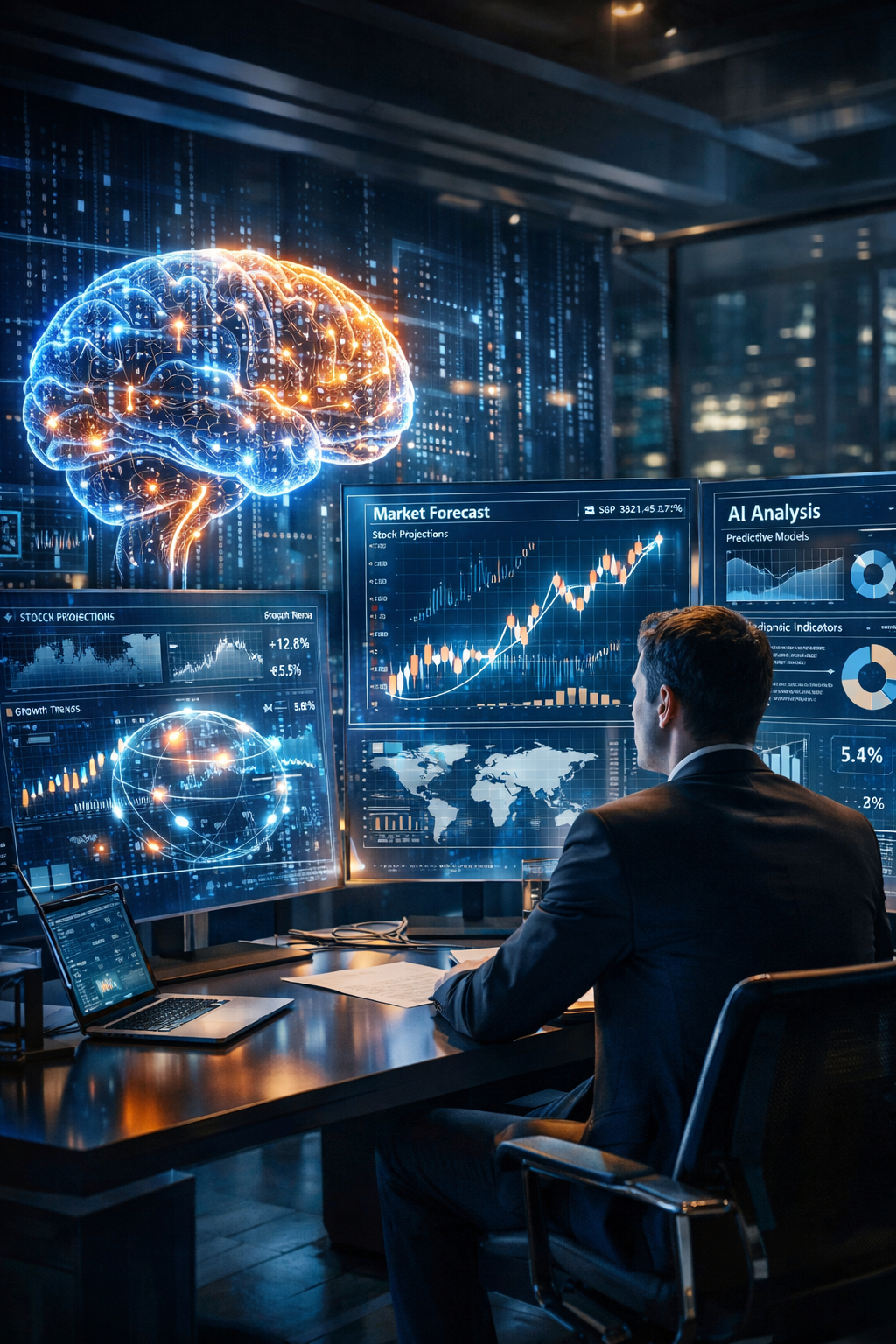
in the financial sector, multi-agent systems are used to:
-
Automated Trading: Agents that analyze vast amounts of financial data, discover market patterns, and execute buying and selling operations faster than humans can handle.
-
Fraud detection: Agents that continuously monitor transactions, identify suspicious activity, and alert relevant teams. This helps financial institutions fight fraud and comply with regulations.
-
Risk analysis: Agents assess the risk levels associated with different investments, which helps in making smarter investment decisions.
Second, healthcare
in the field of healthcare, multi-agent systems contribute to improving the quality of care provided to patients:
-
Patient Monitoring: Agents monitor patients' vital signs from sensors, process lab reports, and analyze symptoms to suggest possible diagnoses. This provides instant visibility into the patient's condition and helps doctors make faster and more accurate decisions.
-
Personalized treatment plans: Agents who analyze the patient's genetic data, lifestyle, and medical history to recommend personalized treatments.
-
Epidemic management: In epidemic scenarios, multi-agent systems can simulate the spread of diseases and optimize resource allocation to hospitals.
Third, Logistics and Supply
Chains Multi-agent systems are revolutionizing the management of complex supply chains:
-
Route optimization: Agents track vehicle locations, predict delays, and dynamically adjust delivery routes to reduce costs and improve delivery speed.
-
Inventory management: If a warehouse is understocked, the agent can automatically forward inventory from another location or reschedule deliveries.
-
Shipping coordination: Agents representing different parts of the supply chain suppliers, warehouses, delivery trucks and working together to improve overall performance.
Fourth: Smart Cities
Smart cities are one of the most prominent examples of multi-agent systems applications in our daily lives:
-
Traffic Management: Agents control traffic lights based on real-time congestion data, reducing traffic jams.
-
Energy Management: Agents balance electricity loads across the grid, ensuring energy efficiency.
-
Air Quality Monitoring: Agents monitor air quality and suggest interventions when pollution levels rise.
V. Customer Service
Multi-agent systems are the driving force behind many AI-powered customer services:
-
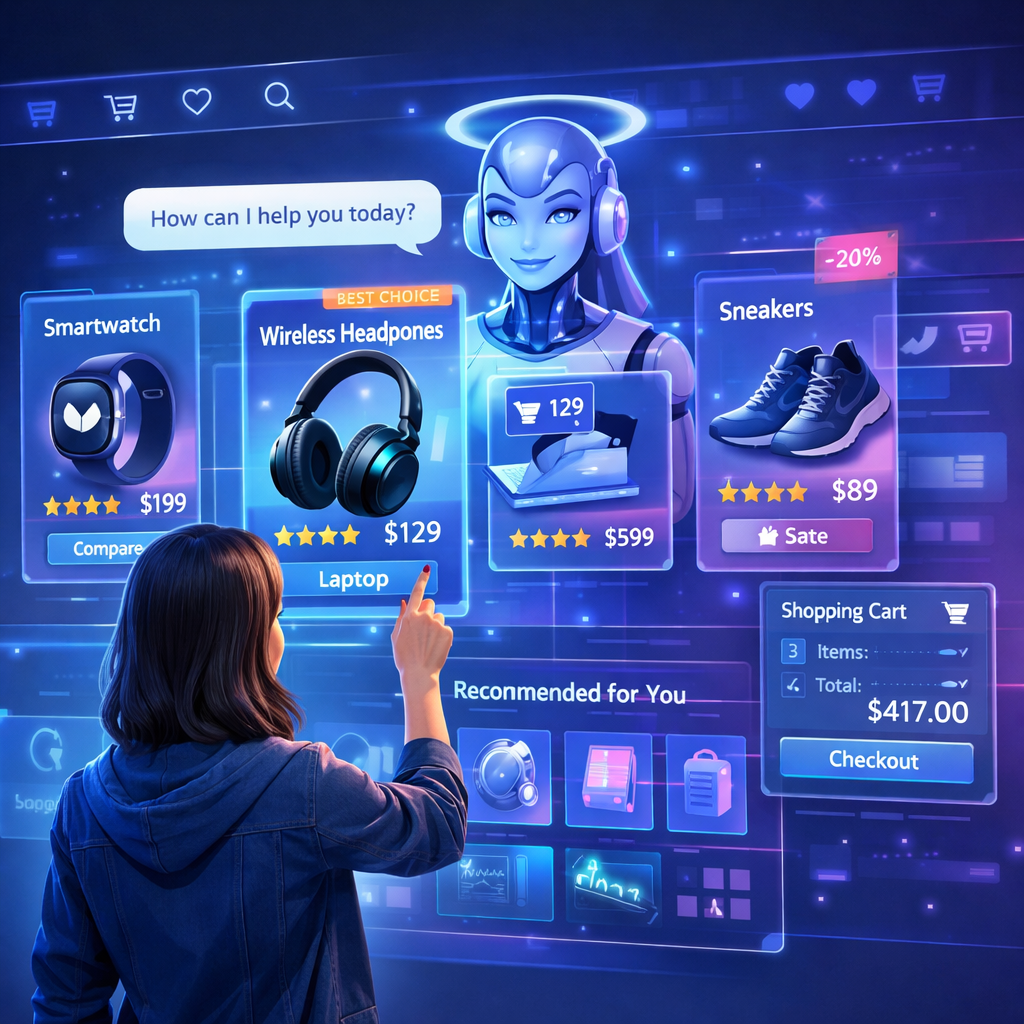
Chatbots and voice assistants: When a customer interacts with a chatbot, an agent may handle intent recognition, another agent retrieving relevant data or FAQs, and a third agent tailoring the response based on the user's history. This provides faster and more context-aware customer service.
-
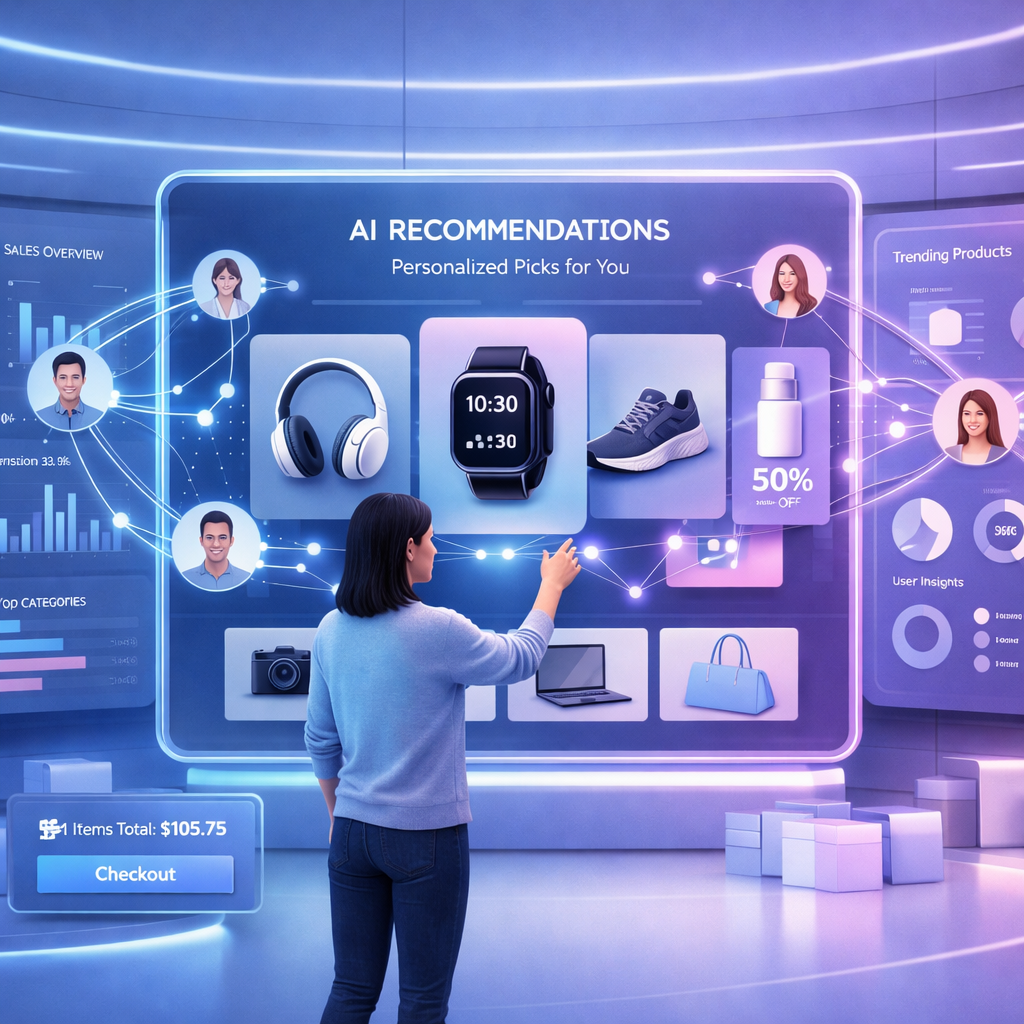
Recommendation Systems: Agents that analyze user preferences and behavior to make personalized recommendations for products or services.
Sixth: Manufacturing and Industry
In intelligent manufacturing, multi-agent systems help in production line management, predictive maintenance and quality control:
-
Machinery Monitoring: Agents monitor the performance of machines and detect any potential malfunctions.
-
Production scheduling: Agents who assign production tasks based on availability and demand.
-
Predictive Maintenance: Agents predict failures before they occur, reducing downtime and maintaining plant efficiency.
Challenges and the Future
Despite the enormous potential of multi-agent systems, they face some challenges:
-
Complexity: Designing and developing MAS systems can be complex, especially with the increasing number of agents and their interactions.
-
Effective coordination: Ensuring effective coordination between thousands of agents can be challenging, and requires strong communication mechanisms.
-
Security and privacy: As agents share information, ensuring data security and privacy is paramount.
However, the continuous development in the fields of artificial intelligence, machine learning, and cloud computing holds promise for a bright future for multi-agent systems. We expect to see more of these systems integrated into our lives, making them smarter and more efficient.
Multi-agent systems represent a quantum leap in the world of artificial intelligence, taking us from the concept of a single artificial brain to thousands of coordinated artificial brains. By enabling intelligent agents to work together independently and collaboratively, these systems open up new avenues for solving complex problems and delivering innovative services across sectors. As this technology continues to evolve, multi-agent systems will become an indispensable part of building a smarter and more efficient future, as machines work in harmony to serve humans and improve their quality of life.